
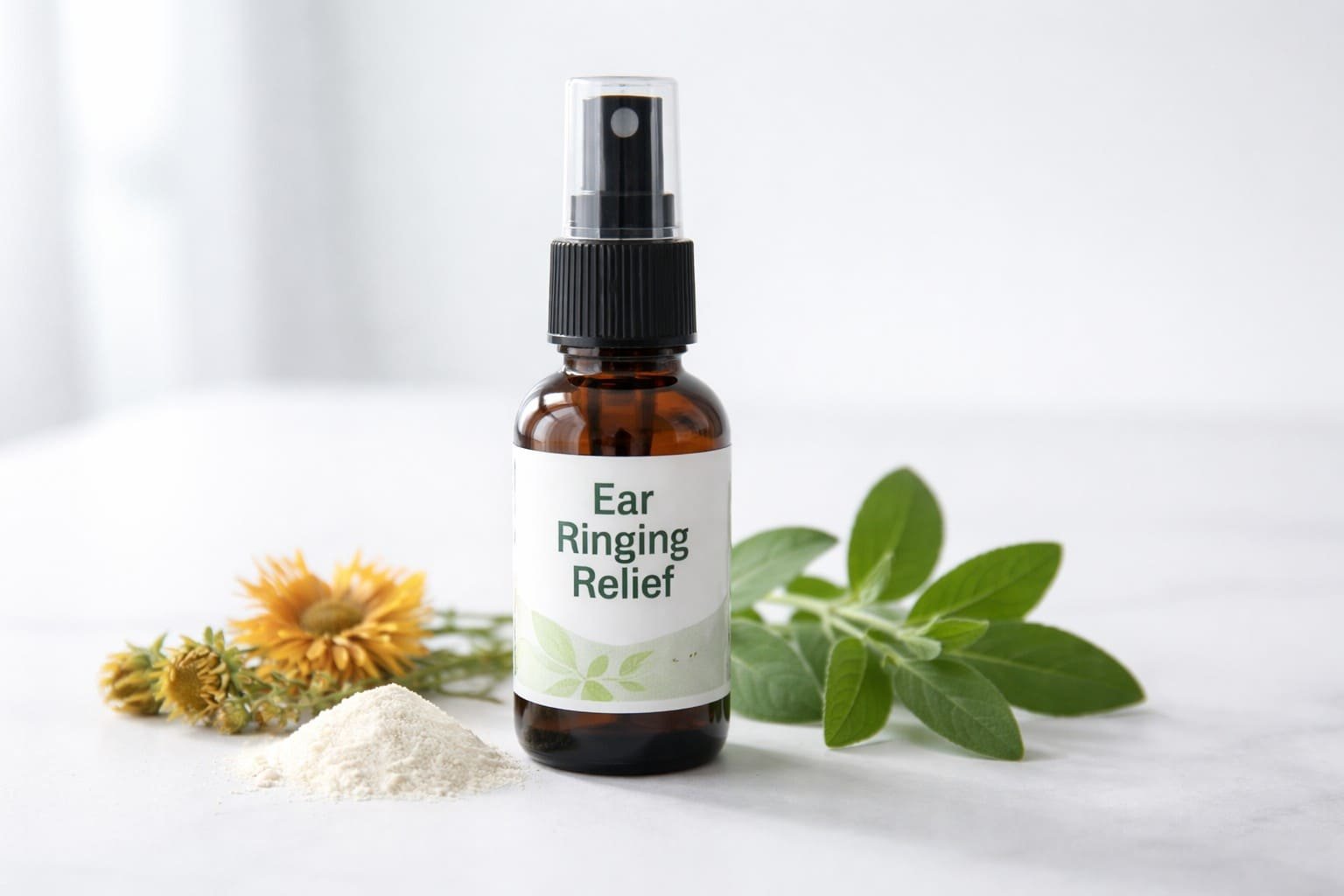
Tinnitus Control Review: Does This Homeopathic Spray Really Work? (2026)
An honest look at Tinnitus Control's homeopathic formula, ingredients, and who it's realistically suited for — before you buy.
If you've ever experienced the relentless ringing, buzzing, or hissing of tinnitus, you know how much it can disrupt daily life — sleep, concentration, conversations, and even your sense of calm. With no FDA-approved drug treatment currently available for tinnitus, many adults turn to natural and alternative approaches, including homeopathic products like Tinnitus Control.
Tinnitus Control is one of the more established names in the homeopathic tinnitus relief space. Delivered as a sublingual spray — meaning you apply it under the tongue rather than swallowing a capsule — it takes a different approach from the nutritional supplement reviews I typically cover on this site. That difference matters, and I want to be upfront about what that means for how you should evaluate this product.
In this review, I'll walk through exactly what Tinnitus Control is, how it works, what's in it, and who it may be most appropriate for — based on what's known about homeopathic medicine and tinnitus. I've already written about other hearing health supplements on this site, including my full Audifort review and ZenCortex review, which take a different, nutrient-based approach to auditory health. Tinnitus Control is a distinct type of product — and understanding that distinction is the key to setting realistic expectations.
What Is Tinnitus Control?
Tinnitus Control is a homeopathic sublingual spray formulated to provide symptomatic relief from tinnitus — the perception of ringing, buzzing, hissing, or other phantom sounds in the ears without an external source. It is applied as two sprays under the tongue up to three times daily, which allows the active homeopathic ingredients to be absorbed directly into the bloodstream through the mucous membranes, bypassing the digestive process.
Homeopathy is a system of alternative medicine that uses highly diluted natural substances — derived from plants, minerals, and other sources — based on the principle that substances which cause symptoms in healthy individuals can, in extremely diluted form, stimulate the body's own healing response in those experiencing those same symptoms. It is a fundamentally different approach from standard nutritional supplementation.
It is important to note that homeopathic products are regulated differently from conventional drugs and dietary supplements in the United States. The FDA does not evaluate homeopathic products for safety or efficacy in the same way it does prescription drugs. This does not mean the product is unsafe — Tinnitus Control's ingredients are used at dilutions generally understood to be non-toxic — but it does mean that clinical evidence is different in nature from what we might expect from a pharmaceutical or even a nutritional supplement.
Tinnitus Control also includes a bonus Ear Health dietary supplement as part of the purchase, designed to support overall ear health alongside the spray.
Who Is Tinnitus Control For?
- Adults experiencing mild to moderate tinnitus symptoms — ringing, buzzing, hissing, or clicking in the ears
- People who have already explored conventional options and want to try a natural, homeopathic approach
- Those who prefer a non-capsule, liquid delivery format
- Individuals open to alternative and complementary medicine approaches alongside other lifestyle strategies
- Adults looking for a non-stimulant, non-prescription option with a low risk profile
Important: Tinnitus Control is not appropriate as a substitute for medical evaluation. Anyone experiencing sudden hearing loss, severe or worsening tinnitus, tinnitus in only one ear, or tinnitus accompanied by dizziness or pain should see a doctor before trying any supplement or homeopathic product.
Tinnitus Control Ingredients: What's in the Formula?
Tinnitus Control uses a blend of homeopathic ingredients, each selected based on their traditional use in homeopathic practice for auditory symptoms. Here is what the formula contains and what each ingredient is traditionally associated with:
1. Arnica Montana 30X
One of the most widely used homeopathic ingredients overall. In homeopathic practice, Arnica is associated with trauma, shock, and tissue damage — and is traditionally used for conditions involving bruising, injury, or strain to tissues, including those of the inner ear. The 30X dilution indicates it has been diluted and succussed (shaken) thirty times in a 1:10 ratio.
2. Chininum Sulphuricum 30X
Derived from quinine sulfate, this ingredient has a long history in homeopathic practice specifically for tinnitus. Homeopathic records note it as indicated for violent ringing, buzzing, and roaring in the ears, particularly where sounds are intense. It is among the most specifically tinnitus-associated ingredients in classical homeopathic literature.
3. Kali Phosphoricum 30X
A homeopathic preparation derived from potassium phosphate. In homeopathic practice, Kali Phosphoricum is traditionally associated with nervous system exhaustion, hypersensitivity to noise, and auditory symptoms linked to stress or nervous fatigue — making it relevant for tinnitus that is worsened by mental strain or tiredness.
4. Natrum Sulphuricum 30X
A homeopathic preparation of sodium sulfate. Classically associated in homeopathic literature with conditions affecting the head and ears, particularly symptoms that may follow head injury or changes in humidity and weather. It is traditionally used for ear-related symptoms including noise sensitivity.
5. Pulsatilla 30X
Derived from the windflower plant. In classical homeopathy, Pulsatilla is one of the most commonly referenced remedies for ear conditions, including sensations of fullness, hearing impairment, and ringing. It is traditionally indicated where symptoms change in character, are worse indoors, or accompanied by a feeling of pressure in the ears.
6. Silicea 30X
A homeopathic preparation derived from silica. Traditionally associated in homeopathic practice with conditions of the nervous system and sensory organs, including tinnitus characterized by hissing or whistling sounds. It is also associated with sensitivity to noise.
7. Thiosinaminum 12X
Derived from mustard oil. In homeopathic literature, Thiosinaminum has been referenced for conditions involving scar tissue and fibrotic changes — including applications to the inner ear where structural changes may contribute to tinnitus symptoms. It is used at a lower dilution (12X) in this formula.
Understanding the Homeopathic Approach to Tinnitus
It would be intellectually dishonest not to address the scientific context around homeopathic medicine directly. The clinical evidence base for homeopathy in tinnitus treatment is limited. A double-blind placebo-controlled trial published in the British Journal of Audiology found that a homeopathic preparation for tinnitus did not show statistically significant improvements over placebo in audiological measurements. This is consistent with the broader scientific consensus that high-quality evidence for homeopathic efficacy remains inconclusive across most conditions.
At the same time, some individuals do report subjective improvements — reduced awareness of tinnitus, better sleep, and lower distress — after using homeopathic products. Whether this reflects a direct physiological effect, a stress-reduction benefit, or a placebo response is genuinely difficult to determine at the individual level. What is clear is that the safety profile is very favorable: at the dilutions used, these ingredients are non-toxic and not associated with significant side effects.
The most honest framing for Tinnitus Control — and any homeopathic tinnitus product — is this: it is a low-risk option for people seeking a natural, complementary approach to symptom management, not a clinically proven cure. If you are someone who has found value in homeopathic medicine in other contexts, or who wants to try a gentle, non-stimulant approach alongside other tinnitus management strategies, Tinnitus Control fits that profile.
Why the Sublingual Spray Format?
The sublingual delivery method — spraying under the tongue — is a deliberate choice in homeopathic formulations. The mucous membranes beneath the tongue have a rich blood supply and allow substances to be absorbed directly into circulation, bypassing the digestive system and first-pass liver metabolism. For homeopathic preparations, where ingredients are present at highly diluted concentrations, this delivery route is considered optimal for rapid systemic availability.
Practically speaking, it also makes Tinnitus Control easy to use — two sprays under the tongue up to three times daily requires no water, no meal timing, and can be taken discreetly. This is a meaningful practical advantage over capsule-based products for some users.
Tinnitus Control Complaints: What Users Have Reported
For a balanced assessment, here are the most common concerns raised about Tinnitus Control:
1. Results Are Not Guaranteed — and Science Is Limited
The most significant limitation of Tinnitus Control is the same limitation of homeopathic medicine broadly: the clinical evidence base is inconclusive. Users expecting scientifically validated, measurable reduction in tinnitus loudness should be aware that the research does not strongly support that outcome. Results reported by users are largely subjective and anecdotal. This is not unique to Tinnitus Control — it applies to homeopathic tinnitus products generally.
2. Not Designed for Severe or Structural Tinnitus
Tinnitus caused by significant structural damage to the cochlear hair cells, acoustic neuroma, or other diagnosed audiological conditions is unlikely to respond to a homeopathic spray. Like all non-medical interventions, Tinnitus Control is not a treatment for diagnosed medical conditions requiring professional care.
3. Requires Consistent Use
Some users report that benefits, where noticed, required consistent daily use over several weeks. Expecting rapid or dramatic results within a few days is likely to lead to disappointment with any tinnitus intervention, homeopathic or otherwise.
4. Homeopathic Approach Not for Everyone
Users who prefer evidence-based, mechanistically clear nutritional supplements — like those that directly supply zinc, magnesium, ginkgo biloba, or B12 at clinical doses — may find products like Audifort better aligned with their preferences. Tinnitus Control takes a fundamentally different philosophical approach to health support.
5. FDA Disclaimer Applies
As with all homeopathic products sold in the US, Tinnitus Control carries the standard FDA disclaimer that the product has not been evaluated for safety or efficacy for treating any disease. This is a regulatory reality for the entire homeopathic category, not a specific criticism of this product.
Summary: Who Should Be Cautious
- Users expecting clinically proven, measurable tinnitus reduction
- Those with diagnosed structural hearing conditions requiring medical treatment
- Anyone who prefers evidence-based nutritional supplements over homeopathy
- People experiencing sudden, severe, or one-sided tinnitus (see a doctor first)
Who May Find It Worth Trying
- Adults with mild, intermittent tinnitus looking for a gentle, natural approach
- Those who have found value in homeopathic medicine in other contexts
- Users who want a non-capsule, non-stimulant, easy-to-use daily option
- People using it as part of a broader tinnitus management approach (sound therapy, stress reduction, hearing protection)
How Does Tinnitus Control Compare to Other Hearing Supplements?
| Feature | Tinnitus Control | Nutritional Supplements (e.g. Audifort) |
|---|---|---|
| Approach | Homeopathic (diluted naturals) | Nutritional (vitamins, minerals, herbs) |
| Format | Sublingual spray | Capsules or liquid drops |
| Key ingredients | Arnica, Chininum Sulph., Pulsatilla, Silicea | Ginkgo, Zinc, B12, Magnesium |
| Clinical evidence | Limited — homeopathic provings & traditional use | Moderate — ingredient-level human studies |
| Side effect risk | Very low (high dilution) | Low to moderate (depends on ingredients) |
| FDA status | Homeopathic — not evaluated for efficacy | Dietary supplement — not FDA approved |
| Money-back guarantee | 90 days | Varies (typically 60 days) |
For a detailed comparison of two nutritional approaches to hearing health, see my Audifort vs ZenCortex comparison.
How to Use Tinnitus Control
Tinnitus Control is used as a sublingual spray — two sprays under the tongue, up to three times per day. No water is needed. The manufacturer recommends consistent daily use to evaluate effects, which is consistent with how homeopathic products are generally used: the response, where it occurs, tends to be gradual rather than immediate.
It comes packaged with a bonus Ear Health dietary supplement designed to support overall auditory wellness alongside the spray.
Is Tinnitus Control Worth Trying?
The answer depends entirely on what you're looking for and how you approach health decisions.
If you're someone who values peer-reviewed clinical evidence and wants a supplement with documented mechanisms of action — ingredients like zinc, ginkgo biloba, and B12 with published human trials behind them — then a nutritional supplement like Audifort is likely a better fit for your decision-making style.
If, on the other hand, you're open to homeopathic medicine, have used it successfully in other contexts, and are looking for a gentle, non-toxic, easy-to-use daily option for mild tinnitus symptoms — particularly one with a 90-day money-back guarantee that significantly reduces the financial risk — then Tinnitus Control is a reasonable option to explore. Many people managing tinnitus use a combination of approaches: sound therapy, stress reduction, hearing protection, and supplementary products. Tinnitus Control fits naturally into that kind of multi-pronged strategy.
What it is not, and what no currently available product truly is, is a guaranteed cure for tinnitus. Anyone who tells you otherwise — homeopathic, nutritional, or pharmaceutical — is overpromising. The honest expectation with Tinnitus Control is a low-risk trial of a natural approach, backed by a solid return policy if it doesn't work for you.