Our one-line verdict: GlucoTonic is a liquid blood-sugar support supplement with an eight-ingredient formula that holds up credibly at the ingredient level — Chromium Picolinate, Gymnema Sylvestre, Cinnamon bark, and Banaba leaf all carry genuine human clinical evidence — but there is no trial of the finished product, results build over 60–90 days rather than days, and it is not a substitute for medical management of any diagnosed blood sugar condition.
Adults over 40 with post-meal energy crashes, persistent sugar cravings, or mildly erratic glucose who are also willing to adjust their diet are the buyers for whom this formula makes sense. Anyone on insulin, metformin, or other glucose-lowering medication should not start it without a doctor's guidance, because some ingredients can amplify medication effects. Below we break down every ingredient against published research, report the concerns users raise, and compare it with the main alternatives.
What Is GlucoTonic?
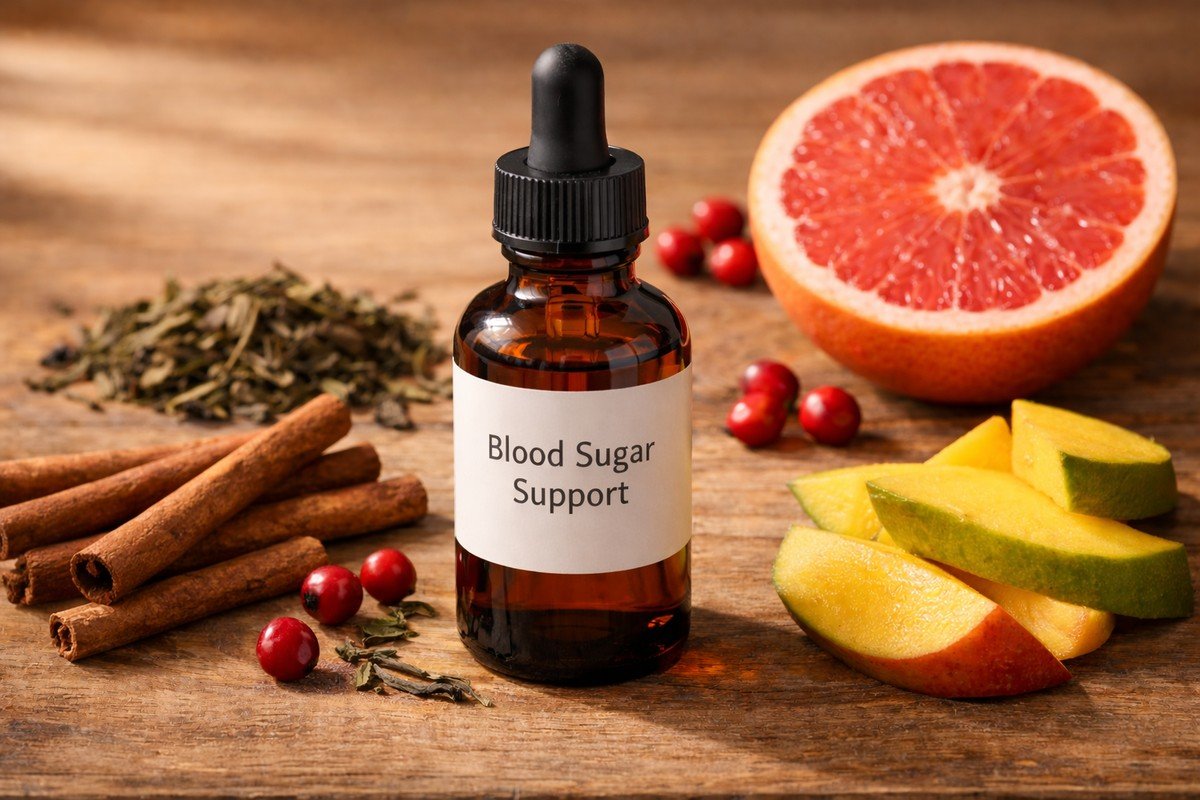
GlucoTonic is a liquid dietary supplement delivered in dropper form, designed to be taken daily. Its formula targets blood sugar regulation through a multi-ingredient approach — antioxidant-rich botanical extracts, adaptogens, and trace minerals that have each been studied for their roles in glucose metabolism and metabolic health.
The liquid format matters. Liquid drops absorb faster than capsules, which may improve the bioavailability of botanical compounds that degrade in the acidic stomach environment. GlucoTonic is manufactured and sold exclusively through its official website, and it is not available through Amazon, pharmacies, or third-party retailers — a point that generates recurring buyer complaints and buying mistakes, covered below.
Who Is GlucoTonic For?
- Adults experiencing energy crashes, post-meal fatigue, or difficulty maintaining stable energy
- Individuals supporting healthy glucose metabolism as part of a broader dietary and lifestyle approach
- People with a family history of metabolic concerns who want proactive nutritional support
- Those who prefer liquid-format supplements over capsules or pills
Important: GlucoTonic is a dietary supplement, not a medication. It is not intended to treat, diagnose, or manage diagnosed diabetes or any other medical condition. Anyone with a diagnosed blood sugar condition should consult their doctor before using this or any supplement.
GlucoTonic Ingredient Analysis
The credibility of any supplement rests on the science behind its ingredients. Here is what the research says about each of GlucoTonic's eight key components, with the evidence level flagged plainly.
1. Gymnema Sylvestre
One of the most extensively studied botanicals for blood sugar support. Its gymnemic acids reduce intestinal glucose absorption and have been studied for their effects on insulin-producing beta cells in the pancreas. A clinical study published in the Journal of Ethnopharmacology found Gymnema supplementation significantly reduced fasting blood sugar and HbA1c over 18–24 months in adults with type 2 diabetes. In non-diabetic populations, Gymnema also temporarily blunts sweet taste receptors, which reduces sugar cravings. Evidence level: strong — clinical trials plus long-duration data.
2. Chromium Picolinate
An essential trace mineral with a direct role in insulin signaling. Chromium enhances the action of the hormone responsible for moving glucose from the bloodstream into cells by activating insulin receptor pathways. Multiple randomized controlled trials report improved insulin sensitivity and reduced fasting glucose in individuals with impaired glucose tolerance, and a meta-analysis in Diabetes Technology & Therapeutics confirmed improvements in glycemic control across studies. Evidence level: strong.
3. Cinnamon Bark Extract
Among the most researched spices for metabolic health. Its active compound, cinnamaldehyde, mimics insulin activity and improves cellular glucose uptake. A systematic review in the Annals of Family Medicine associated cinnamon supplementation with reductions in fasting glucose, LDL cholesterol, and triglycerides. Extract form concentrates cinnamaldehyde while avoiding the coumarin content of cassia cinnamon, which matters at high doses. Evidence level: strong.
4. Bitter Melon Extract
Long used in traditional medicine across Asia, Africa, and Latin America. Bitter melon contains charantin, vicine, and polypeptide-p — compounds with demonstrated hypoglycemic effects — and research in the Journal of Ethnopharmacology suggests it activates AMP-activated protein kinase (AMPK), a key metabolic enzyme involved in glucose uptake, in a manner partly analogous to exercise. Evidence level: moderate — solid mechanistic and traditional grounding, decent human trial support.
5. Licorice Root Extract
Contains amorfrutin compounds, identified as natural activators of PPAR-gamma, a nuclear receptor involved in glucose and lipid metabolism. Research published in Nature found amorfrutins can improve insulin sensitivity without the side effects of synthetic PPAR-gamma agonists. Licorice root also carries anti-inflammatory properties relevant to the low-grade inflammation accompanying metabolic dysfunction. Evidence level: moderate.
6. Juniper Berry Extract
Rich in flavonoids and terpenoids with documented antioxidant and anti-inflammatory properties. Research indicates juniper berry extract may help protect pancreatic beta cells from oxidative stress — a mechanism relevant to the gradual loss of insulin-producing capacity with metabolic aging. Evidence level: limited human clinical data, mostly preclinical and animal studies, though the antioxidant pharmacology is well established.
7. Banaba Leaf Extract
A medicinal plant from Southeast Asian traditional medicine. Its active compound, corosolic acid, stimulates glucose transport into cells via GLUT4 transporter proteins. A study in the Journal of Ethnopharmacology found Banaba leaf extract reduced postprandial glucose in adults with mildly elevated levels, making it one of the more clinically supported botanicals for post-meal glucose management specifically. Evidence level: good, particularly on the post-meal pathway.
8. Zinc
Plays a structural role in insulin synthesis, storage, and secretion — pancreatic beta cells are among the most zinc-dense cells in the body, and zinc deficiency is consistently associated with impaired insulin function and elevated glucose. Supplementation in zinc-deficient individuals improves glycemic markers across multiple studies. Evidence level: strong, conditional on actual deficiency or low intake.
What the Research Says Overall
GlucoTonic reflects a multi-pathway design — targeting glucose absorption (Gymnema), insulin sensitivity (Chromium, Licorice), cellular glucose uptake (Banaba, Bitter Melon), and pancreatic protection (Zinc, Juniper Berry) simultaneously. That is scientifically sound: glucose regulation is not a single-mechanism process, and single-pathway products tend to produce narrower results.
The evidence hierarchy matters, though. Four ingredients — Gymnema, Chromium, Cinnamon, and Banaba — carry meaningful human clinical evidence; Bitter Melon and Licorice rest on mechanistic plus some human data; Juniper Berry is the weakest link in human terms. And no independent randomized trial exists for the complete GlucoTonic formula as a whole. Ingredient-level evidence is the most reliable proxy available for estimating effectiveness — which is not the same as proof for this specific product, and we treat it as exactly that.
Potential Benefits of GlucoTonic
- Support for healthy fasting blood glucose — Gymnema, Chromium, and Cinnamon have evidence for reducing fasting glucose levels
- Improved post-meal glucose response — Banaba Leaf and Bitter Melon target the post-meal pathway specifically
- Enhanced insulin sensitivity — Chromium Picolinate and Licorice Root support insulin receptor function
- Reduced sugar cravings — Gymnema's temporary blocking of sweet taste receptors may lower dietary sugar intake
- Pancreatic cell protection — Zinc and Juniper Berry support the health of insulin-producing beta cells
- Liquid format for faster absorption — dropper delivery may improve bioavailability versus capsules
What Users Report About GlucoTonic
A review is only half a picture without the friction. Here are the concerns that recur most consistently from users of this formula — alongside how legitimate each one is, based on the research.
Slow, gradual results
The most consistent report. Ingredients like Gymnema and Chromium work through cumulative mechanisms — improving insulin sensitivity over weeks, not days. Users expecting rapid normalization within the first week are frequently disappointed. The manufacturer's own guidance (60–90 days minimum) matches the research timelines on its key ingredients, so the complaint says more about expectations than formulation.
It requires dietary changes to work well
Users commonly note that GlucoTonic performs better alongside reduced sugar intake and a more balanced diet. That is not a product defect — it is consistent with the pharmacology. No supplement compensates for consistently high carbohydrate intake or a heavily processed diet. GlucoTonic is designed to support a healthier metabolic state, not replace its foundations.
Medication interaction questions
This is the most important safety consideration on this page. Gymnema, Chromium, Cinnamon, and Banaba all carry blood-glucose-lowering properties. Anyone taking diabetes medications, insulin, or other glucose-regulating drugs must consult their doctor before using GlucoTonic — combining these ingredients with medication may drop blood sugar too low (hypoglycemia). This is not a hypothetical risk; it is the direct pharmacological sum of the ingredient list.
Single-channel availability
GlucoTonic is not sold on Amazon or in stores, which some users find inconvenient for reordering. The offset is that the official site guarantees product authenticity and carries the manufacturer's money-back guarantee. Third-party marketplace listings are unauthorized — a standard counterfeit risk worth avoiding.
No publicly confirmed third-party lab testing
Certificates of analysis or independent lab results are not prominently displayed. For buyers who require third-party verification of potency and purity before purchase, this is a legitimate transparency gap to weigh.
GlucoTonic vs Blood Sugar Support Alternatives
With "glucotonic review" search interest high, the practical question most readers have is: better than the alternatives? Here is how we frame it against the realistic options.
Versus single-ingredient chromium or cinnamon capsules. Both are cheap and evidence-backed, and they are a rational starting point if your goal is narrow. The trade-off is pathway coverage: a single extract addresses one mechanism, while GlucoTonic's eight-ingredient design spans absorption, insulin sensitivity, uptake, and pancreatic support. Seen the other way, you pay a premium for coverage you may not need.
Versus fiber-based glucose support (psyllium, glucomannan). Soluble fiber bluntly reduces post-meal glucose excursions by slowing absorption — cheap and well proven. For someone whose main issue is post-meal spikes, fiber plus dietary change arguably does more than any botanical extract. GlucoTonic's case is the broader mechanism set plus the trace-mineral angle for people who won't build a fiber habit.
Versus other multi-ingredient "glucose support" blends. Most rely on proprietary blends that hide individual doses, which makes their labels unauditable against research. GlucoTonic names its active ingredients, so its formula can be checked against published evidence — not clinical proof of efficacy, but an evaluable standard few blends meet.
| Feature | GlucoTonic | Single-Ingredient Extracts | Fiber-Based Support |
|---|---|---|---|
| Multi-pathway formula | ✅ 8 ingredients | ❌ | ❌ |
| Named ingredient doses | ✅ | ✅ | ✅ |
| Human clinical evidence | Ingredient-level | Ingredient-level | Strong |
| Cost per month (relative) | Higher | Low | Low |
| Money-back guarantee | Yes (official site) | Varies | Varies |
The honest summary: nothing here is a shortcut. GlucoTonic is best understood as a multi-pathway supplement layered on top of diet changes — and it is only worth its premium if you would actually use the whole system, not one extract.
Limitations and Considerations
- No independent clinical trial exists for the complete GlucoTonic formula specifically
- Not a substitute for medical management of diagnosed diabetes or prediabetes
- Results vary with diet, lifestyle, and baseline metabolic health
- Individuals taking blood sugar medications (metformin, insulin, sulfonylureas) must consult a doctor first — some ingredients may amplify medication effects
- Best results require consistent daily use over at least 60–90 days alongside dietary improvements
- Available only through the official website — not via third-party retailers
How to Use GlucoTonic
GlucoTonic is taken as liquid drops, typically mixed into water or juice once daily. The manufacturer recommends consistent daily use for a minimum of 60–90 days before assessing results — a timeline consistent with the research on Gymnema Sylvestre and Chromium Picolinate, which require extended supplementation to produce measurable changes in insulin sensitivity and glycemic markers. Taking it before a meal is particularly relevant given the ingredients — Banaba Leaf, Gymnema — that target post-meal glucose response.
Is GlucoTonic Worth Trying?
For adults with mild, diet-related blood sugar fluctuations — post-meal crashes, persistent sugar cravings — who are also committed to dietary improvements, GlucoTonic is a scientifically coherent option worth considering. Its formula stacks four ingredients with meaningful human clinical evidence, targets several pathways simultaneously, and the liquid format is a genuine differentiator. Money paid is protected by the manufacturer's money-back guarantee, the current terms of which you should confirm on the official store.
It is not a treatment, it is not fast, and it is not for anyone on glucose-lowering medication without medical clearance. Judged against what its ingredients can plausibly do, though, it earns a place on the shortlist in this category — provided you evaluate it over its realistic timeline instead of the first fortnight.
Check Current GlucoTonic Pricing →
GlucoTonic Review FAQ (2026)
How long does GlucoTonic take to work?
Plan on 60–90 days of consistent daily use before judging results. Gymnema and Chromium, its two most clinically grounded ingredients, act through cumulative mechanisms that require extended supplementation, which is why the manufacturer's own assessment window matches the research timelines rather than promising week-one changes.
Can I take GlucoTonic if I'm on metformin or insulin?
Only with your doctor's explicit approval. Gymnema, Chromium, Cinnamon, and Banaba all lower blood glucose through different mechanisms, and stacking them with medication can drop blood sugar dangerously low. If your doctor approves, they will likely want to monitor your numbers as you start — bring the ingredient list to your appointment.
Does GlucoTonic actually reduce sugar cravings?
It has a plausible mechanism for doing so: Gymnema Sylvestre temporarily blocks sweet taste receptors on the tongue, which dulls the reward of sugary foods — an effect documented in research. Whether that translates into a lasting change in your diet depends mostly on you; the supplement may make the first few weeks of reducing sugar easier.
Why can't I buy GlucoTonic on Amazon or in stores?
The manufacturer sells direct through its official website only — the only channel carrying product authenticity and the money-back guarantee. Any marketplace listing is unauthorized, and in this industry, unauthorized listings are where counterfeit relationships between empty capsules and your credit card begin. Order from the official store, and confirm current pricing there at checkout.
Who should avoid GlucoTonic entirely?
Anyone with a diagnosed blood sugar condition without medical clearance, anyone taking glucose-lowering medication without a doctor's approval, pregnant or nursing women (no adequate safety data for this combination), and anyone expecting a supplement to replace diet changes or medical management. It is a support layer, not a therapy.