
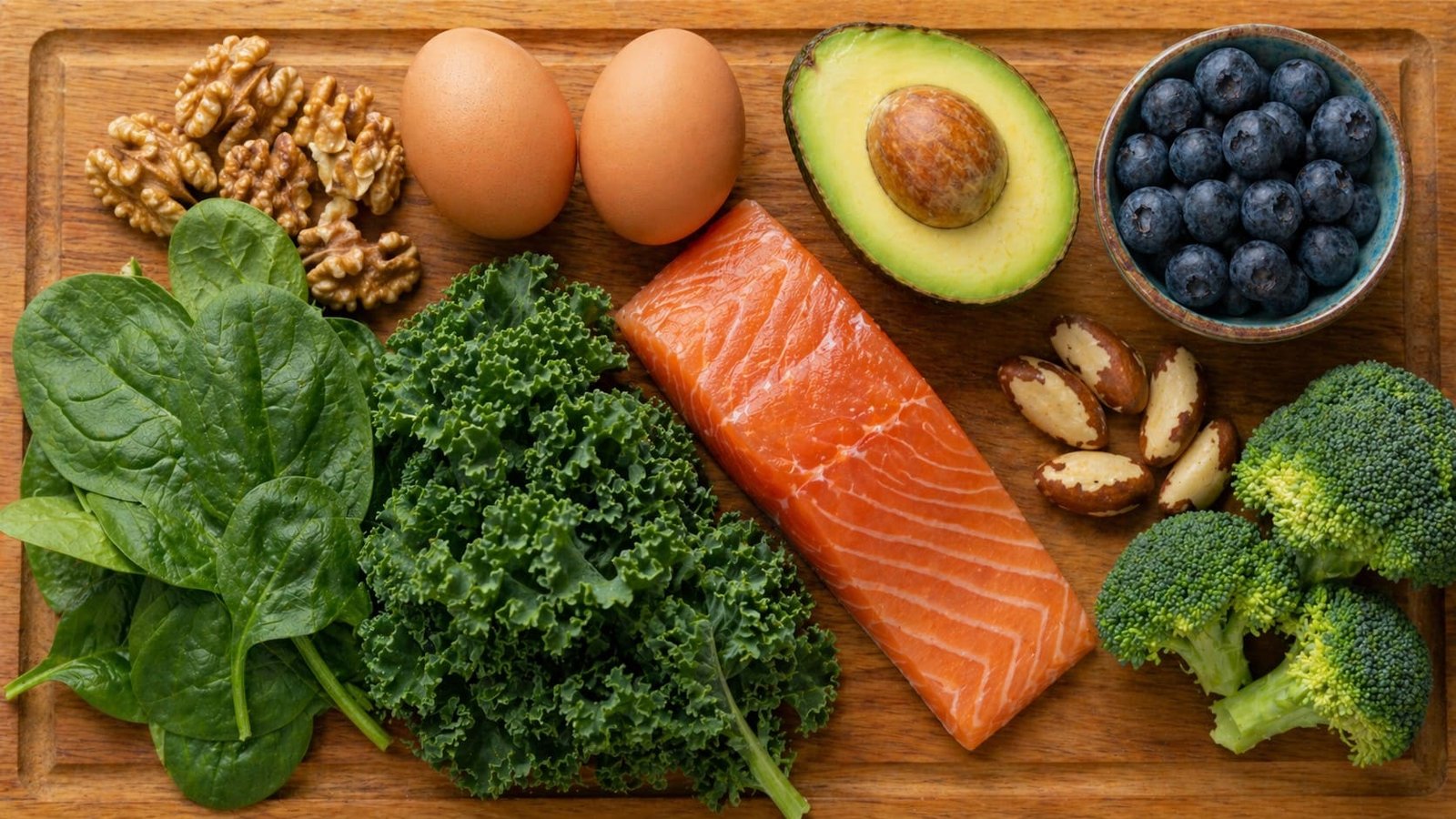
Your diet has a direct and measurable impact on peripheral nerve health — here's what the research says about the foods that protect nerves most, and the dietary patterns that accelerate damage.
Peripheral nerves are the body's communication network — long, delicate fibers that carry sensory and motor signals between the brain, spinal cord, and every part of the body. Unlike most tissues, peripheral nerves repair slowly and are extraordinarily sensitive to nutritional status. The nutrients available from diet directly determine the quality of myelin that insulates nerve fibers, the energy available to power nerve cell metabolism, and the antioxidant capacity that protects nerve tissue from the oxidative damage that drives progressive neuropathy.
For people dealing with tingling, numbness, or burning in the hands and feet — the hallmark symptoms of peripheral neuropathy — dietary changes are rarely discussed as a therapeutic strategy. Yet the research is clear: what you eat profoundly influences nerve health outcomes. Some nutritional patterns are directly neuroprotective. Others actively accelerate the nerve damage that produces those symptoms.
This article covers the foods with the strongest evidence for supporting peripheral nerve health, explains the nutritional mechanisms behind their effects, and outlines the dietary patterns and specific foods worth limiting. If you haven't yet read my article on what causes tingling in hands and feet, that provides useful context for understanding why these nutritional strategies matter for nerve health specifically.
The Key Nutrients Your Nerves Depend On
Before looking at specific foods, understanding which nutrients are most critical for peripheral nerve health helps explain why certain foods are particularly valuable:
- Vitamin B12 — The single most important nutrient for myelin production and nerve fiber maintenance. Deficiency directly causes peripheral neuropathy.
- Vitamin B1 (Thiamine) — Essential for nerve cell energy metabolism. Deficiency causes beriberi — a condition characterized by peripheral nerve damage.
- Vitamin B6 (Pyridoxine) — Supports neurotransmitter synthesis and nerve function. Note: excess B6 from supplements (over 100mg daily) paradoxically causes neuropathy.
- Magnesium — Regulates nerve membrane excitability and NMDA receptor activity. Deficiency increases nerve hyperexcitability and pain sensitization.
- Omega-3 fatty acids (EPA and DHA) — Reduce the systemic inflammation that drives nerve damage progression and support the fatty acid composition of myelin sheaths.
- Alpha-lipoic acid — A potent antioxidant found in small amounts in food that protects peripheral nerve tissue from oxidative damage. Particularly relevant for diabetic neuropathy.
- Vitamin D — Modulates nerve growth factor production and reduces inflammatory pathways that sensitize peripheral nerves to pain.
The Best Foods for Nerve Health
1. Fatty Fish — The Most Complete Nerve Health Food
Salmon, sardines, mackerel, herring, and trout provide a combination of nutrients more comprehensively beneficial to nerve health than virtually any other single food category. They deliver EPA and DHA omega-3 fatty acids that reduce systemic inflammation and support myelin composition, vitamin D that modulates nerve growth factor and reduces pain sensitization, vitamin B12 in a highly bioavailable form, and selenium — a trace mineral whose antioxidant enzyme systems protect nerve tissue from oxidative damage.
Research published in the Journal of Neurochemistry found that DHA — the long-chain omega-3 most concentrated in nervous system tissue — is specifically incorporated into peripheral nerve cell membranes and myelin sheaths, where it influences membrane fluidity and nerve signal transmission efficiency. Low DHA status is associated with increased neuropathic pain sensitivity and slower nerve conduction velocity. For people with neuropathy, two to three servings of fatty fish per week provides the most nutritionally dense nerve health investment available from diet alone.
2. Eggs — B12, D, and Choline Together
Whole eggs are among the most nutritionally complete foods for nerve health, providing vitamin B12 (in the yolk), vitamin D, choline (essential for acetylcholine production — the primary neurotransmitter at peripheral nerve junctions), and high-quality protein containing all essential amino acids including those needed for myelin protein synthesis. The combination of B12 and choline in a single food is particularly valuable for nerve health — both are required for the one-carbon metabolism cycle that maintains myelin and supports nerve cell DNA repair.
For people at risk of B12 deficiency — adults over 50, vegans, or those on metformin — eggs are one of the most accessible and affordable dietary B12 sources available. Two to three whole eggs daily as part of a balanced diet provide a consistent nutritional contribution to nerve health maintenance.
3. Dark Leafy Greens — Magnesium and Folate
Spinach, Swiss chard, kale, and other dark leafy greens are among the richest dietary sources of magnesium — the mineral most directly involved in nerve membrane stability and pain signal regulation. Magnesium blocks NMDA receptors that amplify neuropathic pain, and deficiency (affecting an estimated 50% of Americans) measurably increases nerve excitability and pain sensitivity. Leafy greens also provide folate, which works alongside B12 in myelin maintenance pathways, and vitamin K, which has emerging evidence for nerve growth factor regulation.
A practical daily target is two to three cups of dark leafy greens — achievable through a large salad, sautéed greens with a meal, or spinach added to smoothies. Cooking leafy greens increases magnesium bioavailability by reducing oxalates that can bind magnesium in raw form.
4. Avocados — Magnesium, B6, and Healthy Fats
Avocados provide a nutritional combination particularly relevant to nerve health: magnesium for nerve membrane stability, vitamin B6 for neurotransmitter synthesis and peripheral nerve function, potassium for nerve impulse regulation, and monounsaturated fats that support the fatty acid profile of cell membranes throughout the nervous system. Research has found that the oleic acid in avocados supports myelin production by providing the fatty acid substrate for myelin biosynthesis.
Half an avocado daily provides approximately 15% of the daily magnesium requirement alongside meaningful B6 and healthy fat content — making it a convenient, whole-food contribution to nerve nutritional support that also benefits cardiovascular and metabolic health simultaneously.
5. Walnuts — ALA Omega-3s and Polyphenols
Walnuts are the richest plant-based source of alpha-linolenic acid (ALA) — the plant omega-3 that the body can partially convert to the more neurologically active EPA and DHA. They also contain high concentrations of polyphenols with documented anti-inflammatory and neuroprotective effects. Research published in the British Journal of Nutrition found that walnut consumption was associated with significantly lower inflammatory markers relevant to nerve damage, including C-reactive protein and IL-6.
For people who don't eat fish, walnuts provide the most accessible plant-based omega-3 option for nerve health, though the ALA-to-DHA conversion efficiency is limited. One ounce of walnuts daily (approximately 14 halves) provides a meaningful omega-3 and antioxidant contribution alongside vitamin E — another antioxidant with documented peripheral nerve protective effects.
6. Berries — Antioxidant Protection Against Nerve Oxidative Stress
Blueberries, strawberries, raspberries, and blackberries contain anthocyanins — pigment compounds with some of the highest antioxidant activity of any dietary source. Oxidative stress is a primary driver of peripheral nerve damage in both diabetic and idiopathic neuropathy, and dietary antioxidants that specifically reach nerve tissue provide meaningful protective effects. Research in Nutritional Neuroscience found that blueberry supplementation significantly reduced oxidative stress markers in peripheral nerve tissue and improved nerve function measures in animal neuropathy models. Human observational studies consistently find associations between higher berry consumption and better neuropathic symptom severity.
Berries are also low-glycemic — an important consideration for people with diabetic neuropathy, where blood sugar control is inseparable from nerve health management. A daily cup of mixed berries provides substantial anthocyanin content with minimal blood sugar impact.
7. Sunflower Seeds and Almonds — Vitamin E for Myelin Protection
Vitamin E is a fat-soluble antioxidant that specifically protects the fatty components of cell membranes — including the myelin sheath — from lipid peroxidation (oxidative damage to fats). Myelin is primarily a fatty structure, making it particularly vulnerable to oxidative damage. Vitamin E deficiency has been directly associated with peripheral neuropathy in clinical literature. Sunflower seeds are the single richest dietary source of vitamin E, providing over 37% of the daily value per ounce. Almonds are the second richest. Including a daily small handful of either provides meaningful myelin-protective antioxidant coverage.
8. Legumes — B Vitamins and Blood Sugar Stability
Lentils, chickpeas, black beans, and other legumes provide a combination of B vitamins (particularly B1, B6, and folate), plant-based protein, and substantial fiber that supports the blood sugar stability critical for preventing diabetic neuropathy progression. Their high soluble fiber content dramatically slows glucose absorption, reducing post-meal blood sugar spikes that damage peripheral nerve blood vessels over time. Research has found that legume-rich dietary patterns are among the most consistently associated with better blood sugar control and reduced neuropathy risk in people with diabetes.
For people without diabetes, legumes' B vitamin content — particularly thiamine (B1) — directly supports nerve cell energy metabolism. B1 deficiency is the classical cause of peripheral neuropathy in alcoholic neuropathy and historically in populations with polished rice-dependent diets (beriberi).
9. Brazil Nuts — Selenium for Nerve Antioxidant Defense
Selenium is a trace mineral required for the glutathione peroxidase enzyme system — one of the body's primary antioxidant defenses for protecting nerve tissue from oxidative damage. One to two Brazil nuts provide nearly the entire daily requirement for selenium. Research has found associations between selenium status and peripheral nerve health outcomes, and selenium deficiency has been documented as a contributor to neuropathic symptoms in some populations. Brazil nuts are the single most efficient dietary selenium source available, making them a practical daily addition for nerve health nutritional coverage.
10. Turmeric — Anti-Inflammatory Nerve Protection
Curcumin — turmeric's primary active compound — has documented neuroprotective effects through several mechanisms: inhibiting NF-κB inflammatory signaling that drives peripheral nerve sensitization, reducing oxidative stress in nerve tissue, and supporting nerve growth factor production. Research published in Anesthesia & Analgesia found that curcumin significantly reduced neuropathic pain behaviors and improved nerve conduction in neuropathy models. While curcumin's bioavailability from food sources is limited (significantly improved by combining with black pepper's piperine), regular turmeric consumption as part of an anti-inflammatory dietary pattern contributes to the overall inflammatory load reduction that benefits nerve health over time.
Foods and Dietary Patterns That Damage Peripheral Nerves
Refined Carbohydrates and Added Sugar
Chronically elevated blood sugar is the most common dietary driver of peripheral nerve damage. Glucose at high concentrations glycates nerve proteins, impairs the blood vessels supplying nerve tissue, produces oxidative stress, and reduces nerve growth factor availability — all simultaneously. For people with diabetes or prediabetes, blood sugar management through reduced refined carbohydrate intake is the most impactful dietary intervention for neuropathy prevention and management. Even for people without diabetes, high-glycemic dietary patterns promote the low-grade inflammation and oxidative stress that contributes to nerve health decline over time.
Alcohol
Alcohol is directly neurotoxic to peripheral nerve fibers through multiple mechanisms: it impairs B vitamin absorption and metabolism (particularly B1, B6, and B12), directly damages axons and myelin through its metabolite acetaldehyde, reduces nerve blood flow, and promotes the inflammatory environment that accelerates neuropathic progression. Alcoholic peripheral neuropathy is one of the most common forms of neuropathy globally, affecting up to 66% of chronic heavy drinkers. For people with existing neuropathy of any cause, alcohol significantly worsens symptoms and impairs the recovery that targeted nutrition and supplementation can otherwise produce. Reducing or eliminating alcohol is the most impactful single dietary change for most people with peripheral neuropathy.
Ultra-Processed Foods
Ultra-processed foods — packaged snacks, fast food, industrial seed oil-based products, and ready meals — promote systemic inflammation, disrupt gut microbiome balance (which influences nerve health through the gut-brain axis), and are typically depleted of the B vitamins and magnesium most critical for nerve function. Research has found that higher ultra-processed food consumption is associated with worse neuropathic symptom severity independently of blood sugar levels — suggesting that inflammatory and microbiome-disrupting mechanisms operate beyond glucose metabolism alone.
Trans Fats and Excessive Omega-6 Oils
Industrial trans fats (now largely banned in the US but still present in some imported products) and excessive consumption of omega-6-rich vegetable oils (soybean, corn, sunflower) disrupt the omega-3 to omega-6 ratio that influences myelin composition and systemic inflammation. A dietary pattern heavily weighted toward omega-6 fats promotes the pro-inflammatory environment that sensitizes peripheral nerves and accelerates damage. Replacing refined vegetable oils with olive oil, avocado oil, and whole food fat sources while increasing omega-3 intake through fatty fish or walnuts rebalances this ratio in a nerve-protective direction.
A Practical Nerve-Healthy Dietary Pattern
Rather than tracking individual nutrients, the following daily dietary framework covers all the key nerve health bases consistently:
- Daily foundation: 2–3 cups of dark leafy greens (spinach, kale, Swiss chard) for magnesium and folate
- Protein anchor: Fatty fish 3x per week for B12, D, and DHA; eggs daily on non-fish days
- Healthy fats: Half an avocado and a small handful of walnuts or almonds daily
- Antioxidant layer: 1 cup of mixed berries daily and 1–2 Brazil nuts for selenium
- Carbohydrate quality: Legumes and whole grains over refined carbohydrates; eliminate or dramatically reduce added sugar
- Anti-inflammatory spice: Turmeric with black pepper in cooking regularly
- Eliminate or minimize: Alcohol, ultra-processed foods, refined sugars, excessive vegetable oils
This pattern closely resembles the Mediterranean dietary pattern — which has the strongest overall evidence base of any dietary approach for reducing inflammatory and oxidative damage to peripheral nerve tissue.
When Diet Alone May Not Be Sufficient
For most people, a diet consistently rich in the foods above will meaningfully support nerve health over time. However, several factors create gaps that dietary changes alone may not fully address:
- People over 50 often cannot absorb adequate B12 from food due to reduced gastric acid — supplementation with methylcobalamin is typically necessary regardless of dietary intake
- People on metformin for diabetes are at documented risk of B12 depletion that dietary sources cannot reliably offset
- The clinical doses of alpha-lipoic acid and Acetyl-L-Carnitine with the strongest neuropathy evidence are not achievable through dietary sources alone
- Active neuropathy may require more direct botanical support for pain signal reduction than nutrition alone can provide
For people who want comprehensive nutritional and botanical nerve support beyond diet, I've reviewed Nerve Fresh in depth on this site — a plant-based formula combining Corydalis, Prickly Pear, Passionflower, California Poppy, Acetyl-L-Carnitine, Vitamin B12, and Magnesium in a daily capsule that addresses several of the mechanisms that dietary improvement supports, at doses more consistent with the therapeutic research.
The Bottom Line
Peripheral nerve health is more nutritionally responsive than most people realize. The nerves that produce tingling, numbness, and burning pain in neuropathy are not simply broken beyond dietary influence — they are biological structures whose maintenance depends directly on the nutrients available from what you eat daily.
Building a dietary pattern around fatty fish, eggs, dark leafy greens, avocados, walnuts, berries, and legumes — while eliminating alcohol, refined carbohydrates, and ultra-processed foods — addresses every major nutritional mechanism of peripheral nerve health simultaneously. Combined with targeted supplementation where dietary gaps exist, this foundation gives the nervous system the best possible conditions for both protection and recovery.