
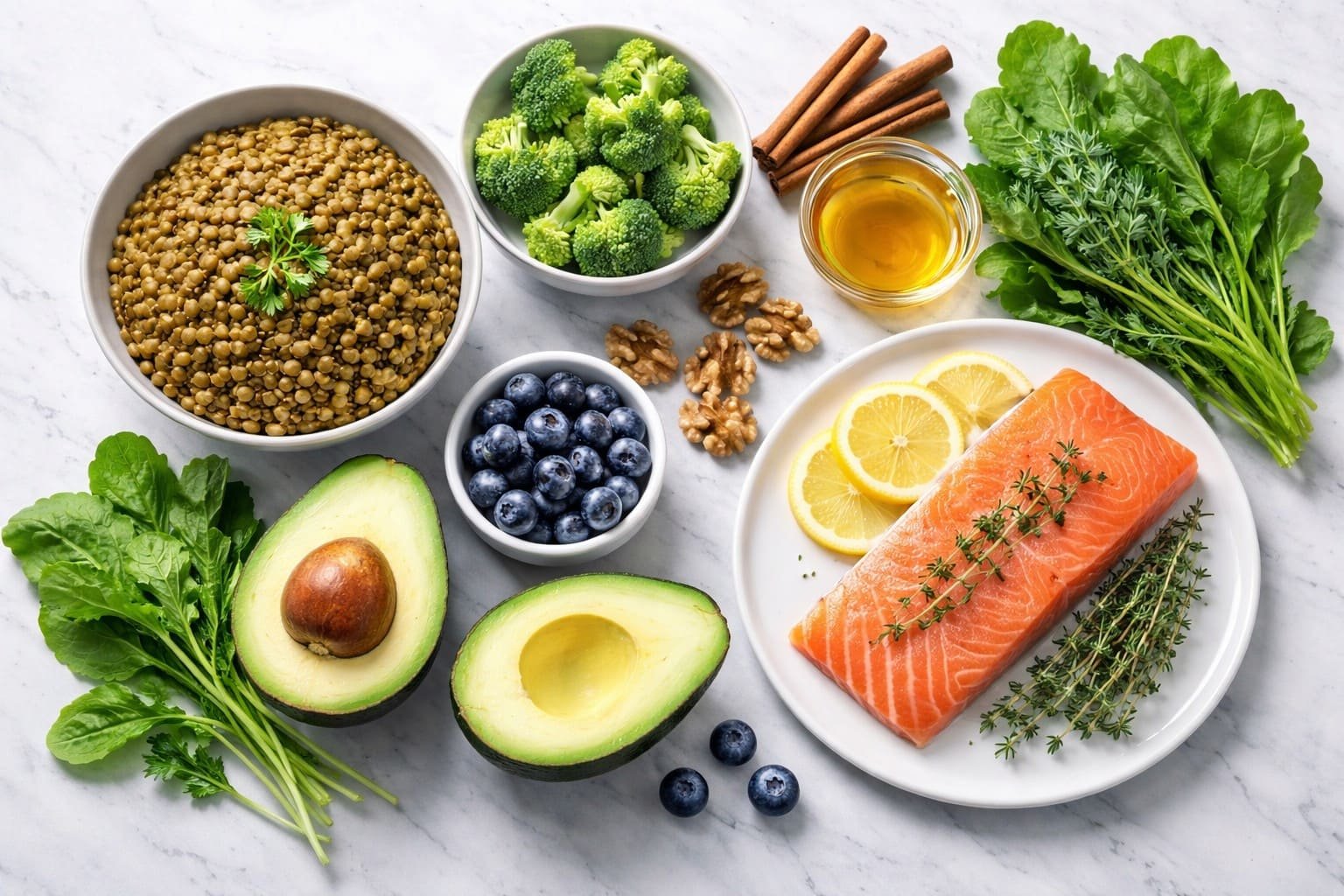
Every meal is either supporting or undermining your blood sugar balance — here's exactly what the research says about the foods that help most, and the ones worth limiting.
Of all the lifestyle factors that influence blood sugar, diet is the most direct and the most immediately actionable. Every time you eat, you are either helping or hindering your body's ability to manage glucose — and the cumulative effect of those daily choices over months and years determines a great deal about your metabolic health trajectory.
The good news is that improving blood sugar through diet doesn't require extreme restriction or radical dietary change. It requires understanding a few core principles — how different foods affect glucose absorption, which nutrients improve the body's insulin response, and which dietary patterns consistently produce better metabolic outcomes — and applying them consistently.
If you haven't read my overview of the signs of high blood sugar, that article provides useful context for understanding why blood sugar management matters. This article focuses specifically on the nutritional strategies with the strongest evidence for blood sugar control.
How Food Affects Blood Sugar: The Core Principles
Not all carbohydrates affect blood sugar equally. The rate at which a food raises blood glucose depends on three key factors:
- Glycemic index (GI) — How quickly a food raises blood glucose relative to pure glucose. High-GI foods cause rapid spikes; low-GI foods cause slower, more gradual rises.
- Fiber content — Soluble fiber slows glucose absorption by forming a gel in the digestive tract that delays gastric emptying and reduces the rate at which glucose enters the bloodstream.
- Macronutrient composition — Fat and protein in a meal slow gastric emptying and blunt the post-meal glucose response. A meal of pure refined carbohydrates spikes blood sugar far more than the same carbohydrate amount eaten alongside protein, fat, and fiber.
The practical implication: it's not just what you eat but how you eat it. Pairing carbohydrates with protein, healthy fats, and fiber at every meal is one of the most effective strategies for reducing post-meal glucose spikes regardless of the specific foods involved.
The Best Foods for Blood Sugar Control
1. Non-Starchy Vegetables — The Foundation
Leafy greens, broccoli, cauliflower, zucchini, peppers, cucumbers, asparagus, and most other non-starchy vegetables have minimal impact on blood sugar while providing fiber, micronutrients, and antioxidants that support metabolic health. Magnesium — found in spinach, Swiss chard, and kale — is particularly relevant: it's required for over 300 enzymatic reactions including insulin receptor activation, and magnesium deficiency is strongly associated with insulin resistance. Building half of every plate around non-starchy vegetables is the single most impactful dietary habit for blood sugar management.
2. Legumes — Fiber and Protein Together
Lentils, chickpeas, black beans, kidney beans, and other legumes are among the most blood sugar-friendly carbohydrate sources available. Despite containing substantial carbohydrates, their high soluble fiber content dramatically slows glucose absorption, resulting in a glycemic response far lower than their carbohydrate content would suggest. A landmark study published in Archives of Internal Medicine found that a legume-rich diet significantly reduced HbA1c levels in adults with type 2 diabetes compared to a high-fiber control diet. Replacing refined carbohydrates with legumes is one of the most evidence-supported dietary changes for blood sugar improvement.
3. Fatty Fish — Omega-3s Against Inflammation
Salmon, sardines, mackerel, herring, and trout provide EPA and DHA — long-chain omega-3 fatty acids that reduce the systemic inflammation underlying insulin resistance. Research published in Diabetes Care found that higher fish intake was associated with improved insulin sensitivity and lower fasting glucose in adults with metabolic syndrome. Beyond omega-3s, fatty fish provides high-quality protein that blunts post-meal glucose responses when eaten alongside carbohydrates. Two to three servings per week provides meaningful metabolic benefit.
4. Cinnamon — The Spice with Insulin-Mimicking Properties
Cinnamon is one of the most studied spices for blood sugar management, and its mechanisms are genuinely interesting. Cinnamaldehyde — cinnamon's primary active compound — has been shown to mimic insulin activity by activating insulin receptor signaling pathways independently. A systematic review in the Annals of Family Medicine found that cinnamon supplementation was associated with significant reductions in fasting blood glucose, LDL cholesterol, and triglycerides. Adding half a teaspoon of cinnamon to oatmeal, yogurt, or coffee is a simple, evidence-supported daily habit. Ceylon cinnamon is preferred over cassia cinnamon for regular use due to lower coumarin content.
5. Apple Cider Vinegar — The Pre-Meal Glucose Buffer
Apple cider vinegar's effect on post-meal blood sugar is one of the more surprising findings in nutritional research. Multiple studies, including a trial published in Diabetes Care, have found that consuming 1–2 tablespoons of apple cider vinegar before or with a high-carbohydrate meal reduces post-meal glucose spikes by 20–35%. The mechanism involves acetic acid inhibiting digestive enzymes that break down starch, slowing glucose absorption. Diluting it in water and drinking before a carbohydrate-heavy meal is a practical application of this research.
6. Avocados — Healthy Fats for Insulin Sensitivity
Avocados are rich in monounsaturated fats, fiber, magnesium, and potassium — a nutritional profile that supports insulin sensitivity from multiple directions. The healthy fat content slows gastric emptying and blunts post-meal glucose responses when eaten with carbohydrates. Research has found that regular avocado consumption is associated with better insulin sensitivity and lower post-meal glucose compared to low-fat dietary patterns. Adding half an avocado to meals with carbohydrate-containing foods is one of the most practical blood sugar-friendly dietary habits.
7. Nuts and Seeds — Protein, Fat, and Fiber Together
Almonds, walnuts, pumpkin seeds, and chia seeds all combine protein, healthy fats, and fiber — the trifecta that blunts post-meal glucose responses. Research has found that eating a small handful of nuts before or with a meal reduces post-meal glucose and insulin spikes. Chia seeds deserve particular mention: their extraordinary soluble fiber content forms a gel in the stomach that dramatically slows glucose absorption from any foods eaten alongside them. Adding a tablespoon of chia seeds to oatmeal, yogurt, or smoothies is a simple blood sugar-stabilizing addition.
8. Berries — Antioxidants with a Low Glycemic Impact
Blueberries, strawberries, raspberries, and blackberries provide natural sweetness alongside fiber and polyphenols that actually improve insulin sensitivity rather than impairing it. Research published in the Journal of Nutrition found that blueberry consumption improved insulin sensitivity in adults with insulin resistance. The anthocyanins in berries — the pigments that give them their deep colors — have been shown to inhibit the enzymes that digest starch, reducing post-meal glucose absorption. Berries are one of the few sweet foods that consistently improve rather than worsen metabolic markers.
9. Whole Grains Over Refined Grains
When carbohydrates are necessary, whole grains — oats, quinoa, barley, brown rice, and whole wheat — produce significantly lower post-meal glucose spikes than their refined counterparts. The intact fiber and bran in whole grains slows digestion and glucose absorption. Barley deserves special mention: it contains beta-glucan, a soluble fiber with particularly potent glucose-lowering effects documented in multiple clinical trials. Oats, also rich in beta-glucan, similarly produce a slower, more sustained glucose response than refined breakfast cereals.
10. Eggs — Protein That Blunts Glucose Responses
Eggs are one of the most blood sugar-neutral foods available. Pure protein and fat with essentially no carbohydrates, eggs don't raise blood sugar at all on their own — and when eaten alongside carbohydrates, the protein content significantly blunts the post-meal glucose response by slowing gastric emptying. Research has also found that regular egg consumption improves satiety hormones that reduce overall calorie intake and improve metabolic markers over time. Including eggs at breakfast is particularly beneficial for blood sugar management throughout the morning.
Foods and Dietary Patterns That Undermine Blood Sugar Control
Refined Carbohydrates and Added Sugar
White bread, white rice, pasta, pastries, sugary cereals, and foods with added sugar are the most direct dietary drivers of blood sugar spikes. Stripped of fiber and refined to their starch or sugar content, these foods are digested rapidly, causing sharp post-meal glucose peaks followed by compensatory insulin surges. Consistently eating high-GI refined carbohydrates trains the pancreas to produce more insulin, gradually impairing insulin sensitivity over months and years. Replacing refined carbohydrates with whole food alternatives is the single highest-impact dietary change for blood sugar improvement.
Sugary Beverages
Sodas, fruit juices, sweetened coffees, sports drinks, and energy drinks deliver large doses of rapidly absorbed sugar without the fiber, protein, or fat that would slow glucose absorption. Liquid sugar bypasses many of the digestive mechanisms that buffer the blood sugar impact of whole foods. Research consistently finds that regular sugary beverage consumption is one of the strongest dietary predictors of insulin resistance and type 2 diabetes progression. Replacing sugary drinks with water, sparkling water, unsweetened tea, or black coffee is a high-impact, low-effort change.
Ultra-Processed Foods
Packaged snacks, fast food, processed meats, and ready meals combine refined carbohydrates, added sugar, industrial seed oils, and additives in combinations that drive inflammation, disrupt gut microbiome balance, and impair insulin sensitivity. Research has found that the degree of food processing — independent of macronutrient content — predicts metabolic health outcomes. Minimally processed whole foods consistently produce better blood sugar responses than ultra-processed foods with equivalent macronutrient profiles.
High-Fructose Foods and Beverages
Fructose is metabolized differently from glucose — it bypasses the normal insulin-regulated pathway and is processed almost entirely in the liver. High fructose intake drives liver fat accumulation and impairs hepatic insulin sensitivity, contributing to insulin resistance and elevated fasting glucose over time. High-fructose corn syrup in processed foods and beverages, and excessive fruit juice consumption (which concentrates fructose without fiber), are the most common dietary fructose sources worth limiting.
Alcohol
Alcohol's relationship with blood sugar is complex and bidirectional. It can both raise and lower blood sugar depending on the circumstances — mixed drinks with sugary mixers spike glucose, while alcohol on an empty stomach can cause hypoglycemia by blocking liver glucose release. Chronically heavy alcohol consumption impairs insulin sensitivity and liver glucose regulation. Moderate consumption (one drink per day maximum) appears less metabolically problematic, but men and women experiencing blood sugar dysregulation will often notice improvement when alcohol is reduced or eliminated.
Practical Strategies for Better Blood Sugar Through Diet
Beyond specific foods, these evidence-based eating habits consistently improve blood sugar outcomes:
- Eat protein and fat before carbohydrates — Research shows that eating protein and fat at the beginning of a meal before consuming carbohydrates reduces post-meal glucose spikes by up to 40% compared to eating carbohydrates first.
- Walk after meals — Even a 10-minute walk after eating significantly reduces post-meal blood glucose by increasing muscle glucose uptake. This is one of the most impactful and simplest blood sugar management strategies available.
- Don't skip breakfast — Skipping breakfast is associated with larger post-meal spikes later in the day and overall worse glycemic control. A protein-rich breakfast sets a more stable metabolic tone for the day.
- Eat more slowly — The speed of eating influences post-meal glucose responses. Slower eating allows incretin hormones (which signal insulin release) more time to respond appropriately before a large glucose load enters the bloodstream.
- Prioritize sleep — A single night of poor sleep reduces insulin sensitivity significantly. Consistent 7–9 hour sleep is one of the most powerful metabolic interventions available — and one of the most underutilized.
When Diet Needs Nutritional Support
For many adults, dietary improvements alone produce meaningful blood sugar benefits. But several real-world factors create nutritional gaps that targeted supplementation can help address — particularly for key compounds like chromium (required for insulin signaling), Gymnema Sylvestre (which supports glucose absorption and beta cell function), and cinnamon extract at clinically relevant doses that are difficult to achieve through food alone.
I've reviewed GlucoTonic in detail on this site — a liquid drop formula combining Gymnema Sylvestre, Chromium Picolinate, Cinnamon Bark Extract, Bitter Melon, Banaba Leaf, Licorice Root, and Zinc. It's designed to address multiple mechanisms of glucose metabolism simultaneously, making it a practical complement to the dietary strategies covered in this article.
Putting It Together
Blood sugar-friendly eating doesn't require perfection — it requires consistent attention to a handful of well-researched priorities. Build meals around non-starchy vegetables, quality protein, and healthy fats. Choose legumes and whole grains over refined carbohydrates. Add cinnamon, vinegar, and berries regularly. Limit sugary beverages, processed foods, and refined carbohydrates. Walk after meals when possible.
These are not temporary dietary restrictions — they are patterns of eating that support metabolic health, cardiovascular health, cognitive function, and healthy aging simultaneously. The compound effect of these habits over months and years is one of the most powerful investments you can make in your long-term health.